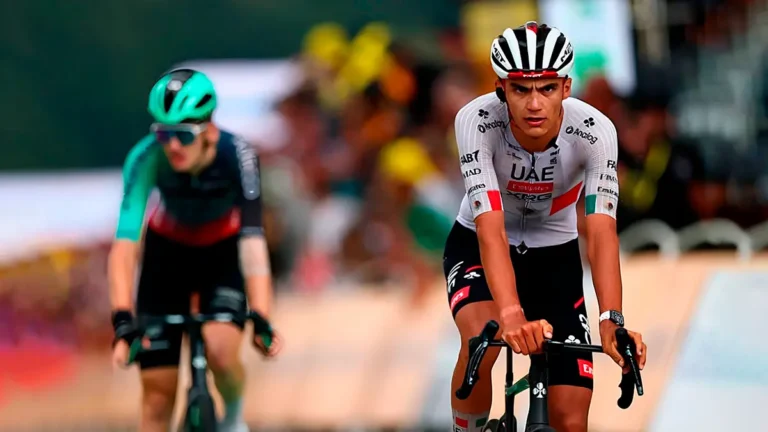
Isaac Del Toro Manages Efforts and Maintains UAE Team Emirates’ Aspirations in the 2026 Tour de France
The fourth stage of the 2016 Tour de France unfolded in a completely different way than the previous stages, with the main favorites opting for a much more conservative strategy to conserve energy for the decisive weeks of the race.
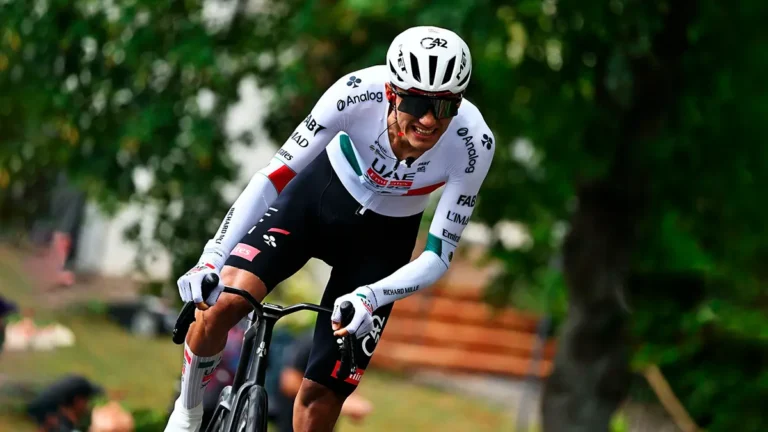
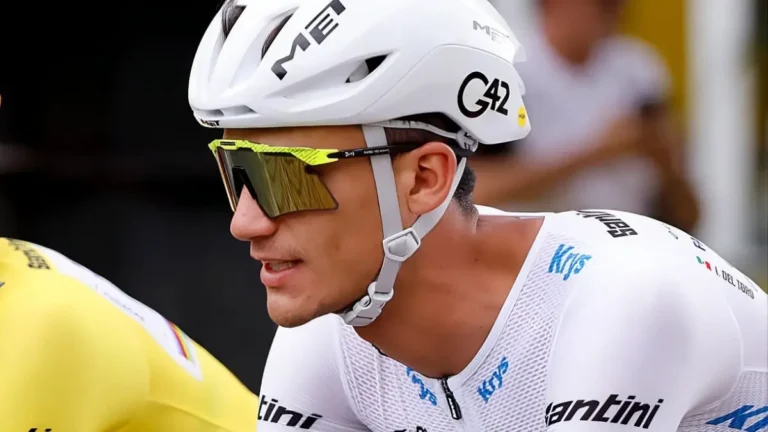
Isaac Del Toro spent much of the stage protected within the peloton, staying close to Tadej Pogačar to respond to any eventuality and once again fulfilling his role within UAE Team Emirates XRG.
After a brilliant start where the Mexican won the second stage and the Slovenian responded with a victory the following day, the Emirati squad chose a less demanding stage to avoid unnecessary exertion.
This decision allowed the team to better manage their physical resources in a race that is just beginning and still has the most demanding stages of the route ahead.
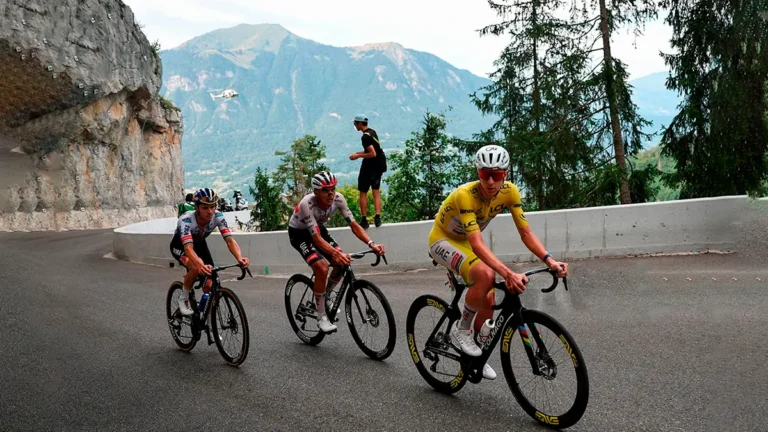
A similar strategy was also adopted by Visma Lease a Bike and Red Bull Bora-Hansgrohe, whose main leaders stayed with the peloton, showing no intention of chasing the day’s breakaway.
With the top contenders controlling the pace from a distance, the breakaway riders gradually increased their advantage to over ten minutes on the main group.
This significant gap led to major changes in the various classifications, as several riders took advantage of the freedom afforded by the favorites to climb the general classification.
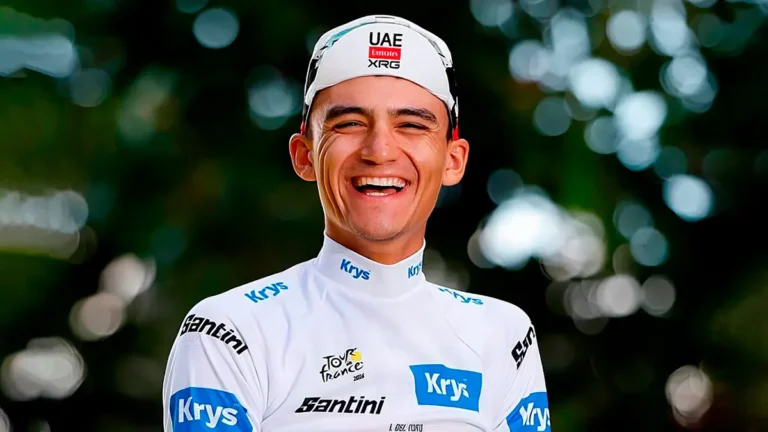
At the end of the stage, Torstein Træn became the new leader of the Tour de France, while Mathias Vacek took over the lead in the young rider classification, which until this stage had belonged to Isaac Del Toro.
With these moves, both Tadej Pogačar and Isaac Del Toro temporarily relinquished the overall lead they had held during the opening stages of the race.
As a result, the Slovenian champion will once again compete in the rainbow jersey that signifies his status as world champion, while the Mexican will again wear the jersey of Mexican national champion.
Although losing the lead might be interpreted as a setback, in a three-week race, these kinds of decisions are usually part of a perfectly calculated plan by the teams vying for the title.
Wearing any of the leader’s jerseys involves fulfilling numerous commitments at the end of each stage, including awards ceremonies, media interviews, photo shoots, and activities with sponsors.
All that time dedicated to protocol reduces the hours available for nutrition, massages, muscle recovery, and preparation for the next day.
Now, without these additional obligations, both Pogačar and Del Toro will have a more complete recovery before facing the mountain stages and the major challenges that will define the Tour de France.
The accumulated fatigue will begin to take its toll as the race progresses, so managing every minute of rest could represent a decisive advantage when it comes time to contest the general classification.
While the favorites opted to conserve energy, Mads Pedersen seized the opportunity to win the fourth stage, securing a crucial victory that also propelled him to the top of the points classification.
All indications are that the battle for the 2026 Tour de France is just entering a phase of strategic control, where each team is carefully weighing its moves before launching the attacks that will ultimately decide the race.
If you want to follow every performance of Isaac Del Toro during the 2026 Tour de France, remember to subscribe to our YouTube channel @cyclinity, where you’ll find daily coverage, analysis, results, and complete follow-up of the Mexican cyclist throughout the entire competition.